Beethoven
Composer
He went on composing after he could no longer hear what he wrote. That is the method's proof that the work can outlive the faculty for it.
The faculty
This is not a staff list, and nothing on this page operates yet. The AI agents, the virtual- and augmented-reality characters, the video delivery and the teaching of individuals and classrooms described below are what BeethovenJr intends to build, not something that exists. The historical figures themselves have no involvement. Nobody on this page works for BeethovenJr, advises it or has endorsed it. Each of them is long dead, a myth, or the learner the company is named for, and each is here for one idea the method took from them.
What is being built
The intention is that the faculty will be AI agents: one for each of these sixteen figures, each one meant to teach through the principle on its card. Each agent will be embodied as a full character in virtual reality and augmented reality, so that a learner will be able to stand in the same room as Socrates and be asked a question, rather than read that he asked them. The experience BeethovenJr is aiming for is meeting a historical figure in real time and talking with them, closer to stepping into an attraction than to opening a textbook. The same meeting is meant to reach a learner on video as well as in virtual reality.
How it would teach
The characters will do the teaching: a learner will talk to one and be answered, rather than sit and watch a performance. A character will teach an individual learner, or a whole classroom at once. Each character will meet a learner at the learner's own level, which is the idea at the centre of the methodology on this site. A classroom means children, so none of this will be promised for them until how a character behaves with a child has been settled.
One principle each
Each character will teach through the one principle on its card, so the cards below are also the first draft of what each character is for.
Composer
He went on composing after he could no longer hear what he wrote. That is the method's proof that the work can outlive the faculty for it.
The learner
The company is named for the student, not the master. Everything here is built for the person who cannot do it yet.
Painter and engineer
One notebook held his anatomy, his flying machines and his painting. The method takes the hint: the walls between disciplines are an administrative convenience.
Painter
He could draw like an academic by sixteen, and spent decades unlearning it. Rules first, then liberty.
Hero of myth
Twelve labours, in order, and none could be skipped. Practice is not a metaphor.
Inventor
By his own account he built the machine in his head and ran it there until it worked, then built it once. Rehearsal is cheaper than iteration.
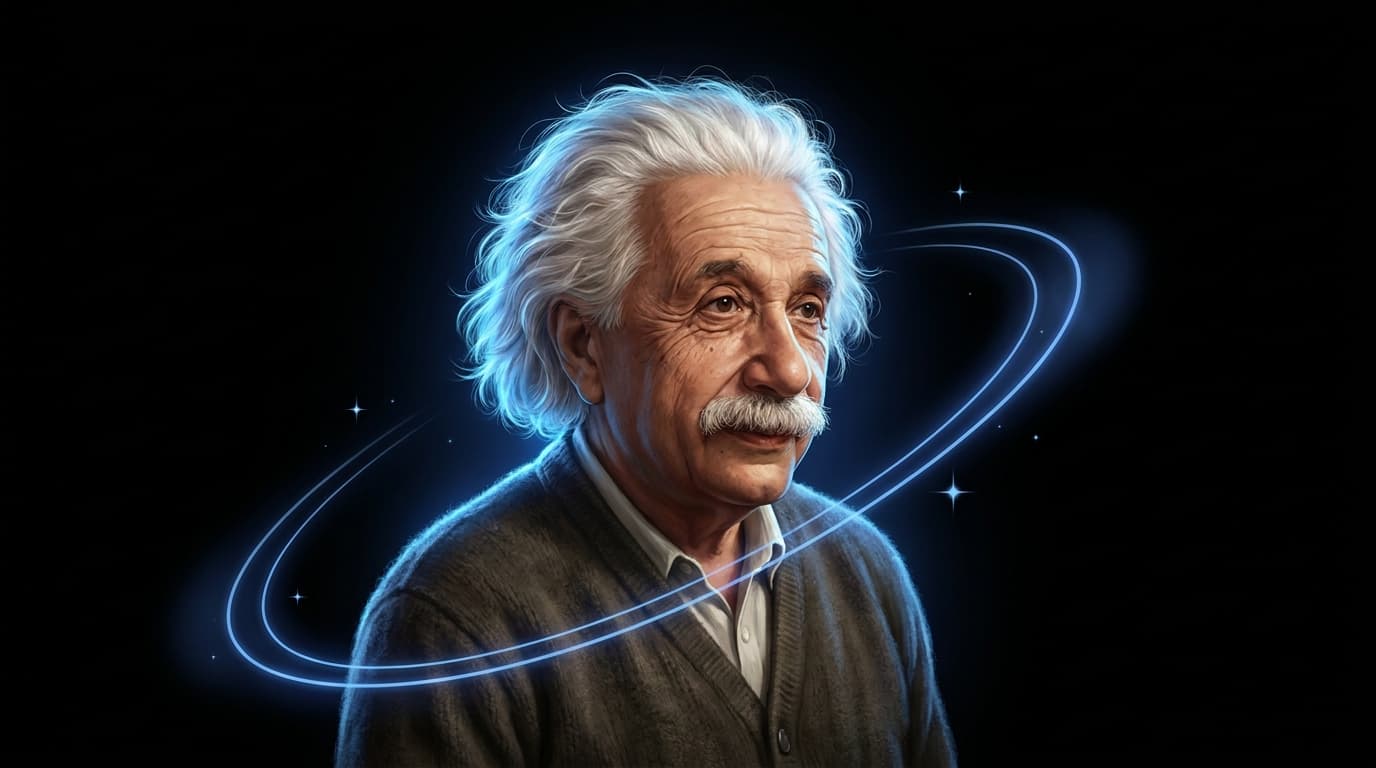
Physicist
He ranked imagination above knowledge, and he meant it as a method rather than a slogan: picture the thing first, then find out what is true of it.
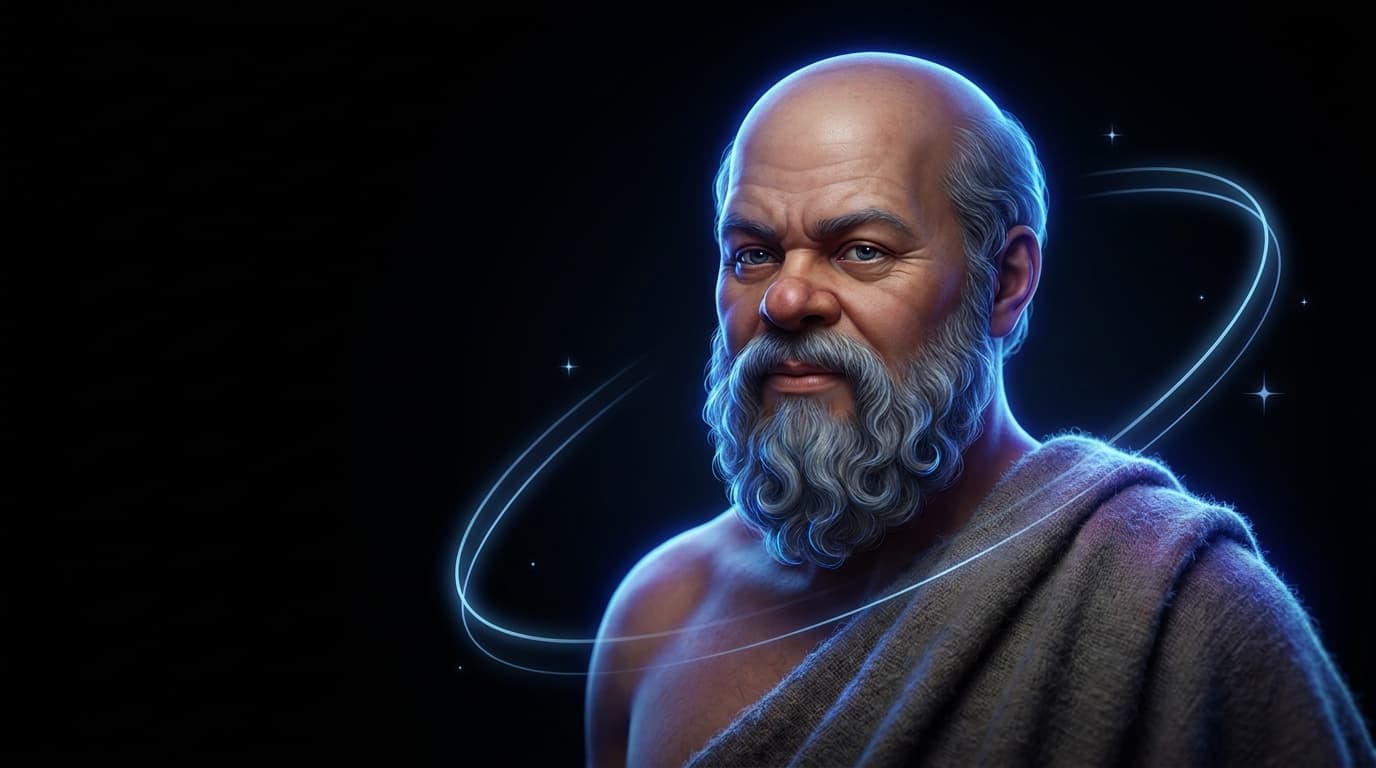
Philosopher
He taught entirely in questions and wrote nothing down. The method treats a good question as the lesson.
Philosopher
He held that every real thing is a shadow of an ideal one. Keep the ideal version in mind while you fail at the real one.
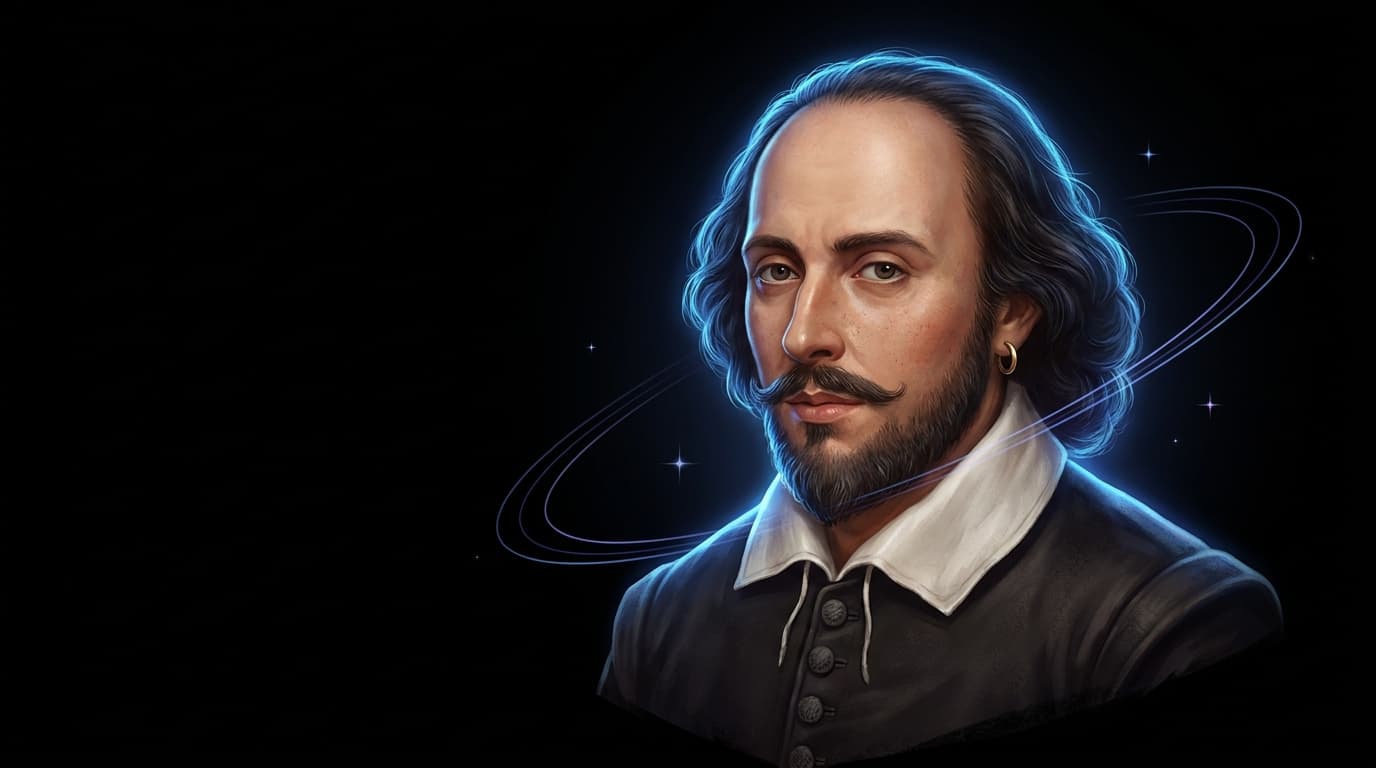
Playwright
He is credited with inventing words when English fell short of what he needed to say. A learner should be allowed the same move.
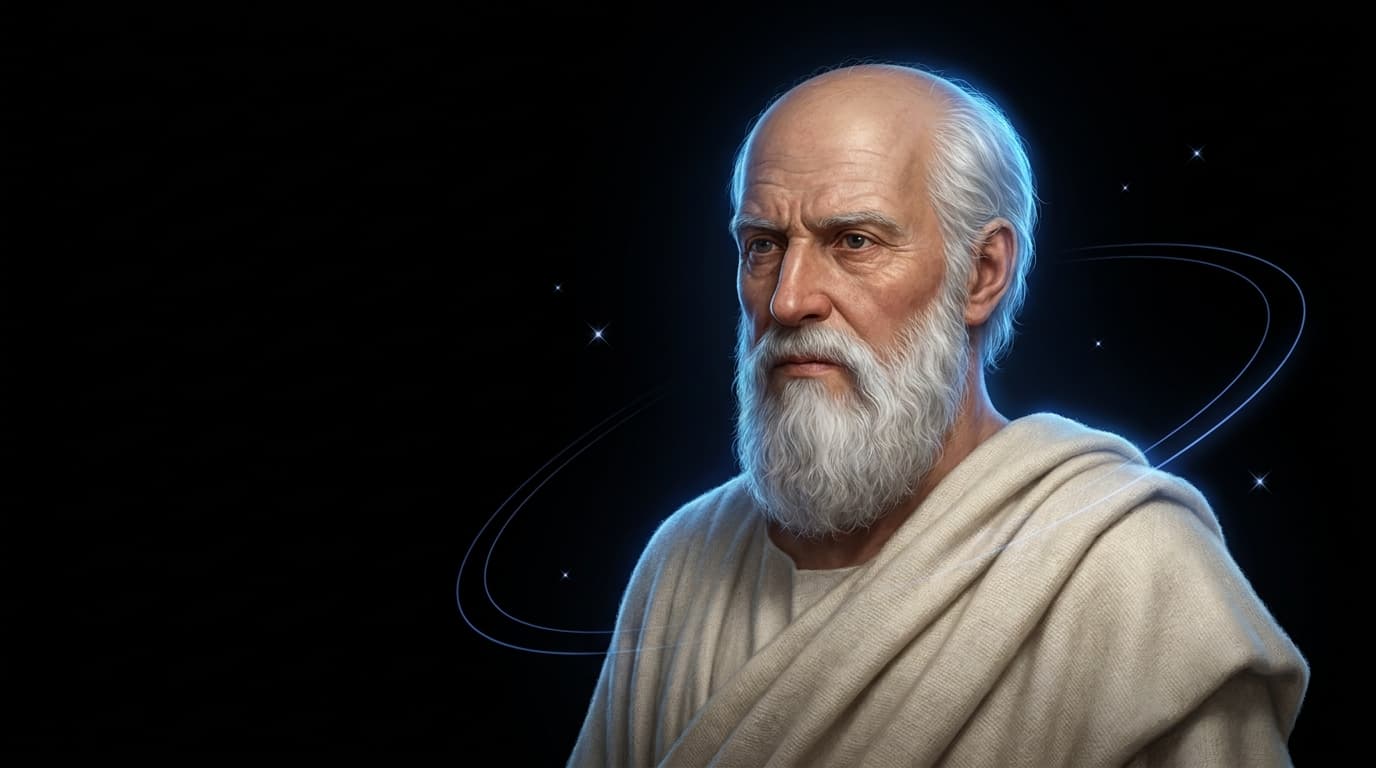
Physician
The medical tradition of first doing no harm carries his name. Help comes second.
It is our rule for safeguarding promises: until one is true, it is written in the future tense.
Philosopher
He set out to doubt everything he had been told, then rebuilt from whatever survived. Start from what is actually known, not from what was supposed to be.
Philosopher
No claim without evidence: belief, he argued, should be proportioned to what supports it.
It is why every claim on the venture pages and the methodology page is tagged real, vision or cited.
Philosopher
Act only on a rule you would be happy to see everyone follow. It is a useful question to put to a company.
Author
He built the languages, histories and maps of a whole world, then set one story in it. What the reader sees is a small part of what was built.
Author
He wrote some of his hardest ideas for children, and did not simplify them to do it. The standard is the real idea, at the right level.
And everyone else
The sixteen on this page are where it starts, not where it stops: the intention is that a learner will be able to choose from six billion more. Whoever a learner most wants to be taught by is meant to be among them, and the one they keep coming back to will be theirs to pick, not ours to assign.